
When playing slot machines, many players overlook one of the most important factors influencing their experience: slot volatility. Understanding volatility can dramatically improve your gameplay strategy by helping you choose slots that suit your risk preference and bankroll. This article explains what low, medium, and high volatility mean, how to spot them, and why they matter when selecting a slot machine.
What Is Slot Volatility?
Slot volatility, sometimes called variance, describes the frequency and size of payouts a slot machine is designed to produce. It acts like the DNA of a slot machine — an unchangeable feature programmed by the game developers. While payout percentages can vary by casino, volatility remains consistent no matter where you play, offering players a reliable insight into how a machine plays out over the long term.
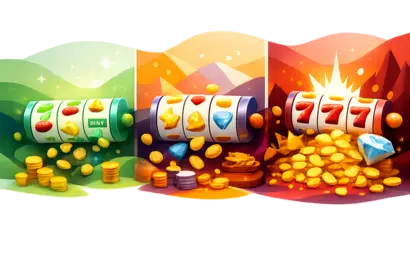
Volatility is represented on a scale from low to high, indicating how often wins occur and their magnitude. A low volatility slot will offer smaller but more regular wins, while a high volatility slot delivers bigger payouts but much less frequently. Medium volatility slots fall somewhere between these two extremes, providing a balanced gameplay experience.
Why Does Volatility Matter to Players?
Knowing a game’s volatility is crucial for planning your casino visit and managing your bankroll. Since volatility affects how often you’ll win and how big those wins will be, understanding it lets you align your play style with your goals—whether that’s steady, low-risk play or chasing big jackpots.
Moreover, volatility helps explain why two slot machines with the same denomination, bet size, and payback percentage can feel completely different during gameplay. While payback percentages show the average return over time, volatility shows the journey to that return — the ups and downs you will experience along the way. This makes it an essential factor for players making informed slot choices.
Low Volatility Slots: Consistent and Steady
Low volatility games offer a consistent stream of wins, usually smaller in size. They tend to have a higher frequency of hits, including more frequent triggers of the top line jackpot or major prizes. These games are ideal for players who prefer a gentle, steady gameplay experience and are often recommended for those with smaller budgets or beginners looking to build their bankroll gradually.
However, these slots are sometimes viewed as less exciting because of their repetitive and straightforward gameplay. They commonly lack complex features or flashy bonus rounds, which can make them feel simplistic compared to higher volatility games.
High Volatility Slots: High Risk, High Reward
High volatility slots are the opposite: they pay out less frequently, which means you often experience longer dry spells without wins. When a payout does come, it tends to be much larger, sometimes reaching life-changing figures. This style of slot is suited for players who enjoy the thrill of risk and the potential of big wins, and who have the patience and bankroll to endure losing streaks.
These games typically come with many bonus features, multiple paylines, complex rules, and higher multipliers. Their gameplay can be exciting but unpredictable, demanding a strategic approach and careful bankroll management.
Medium Volatility Slots: Finding Balance
Medium volatility slots strike a balance between the two ends of the spectrum. They offer moderate win sizes with reasonably frequent payouts, blending steady gameplay with occasional bigger wins. This makes them popular choices among many players who want some risk and excitement but prefer to avoid the extremes.
This balance provides a dynamic gaming experience that can keep play engaging without the frustration of long losing streaks or the volatility of chasing rare massive jackpots.
How to Identify Slot Volatility
While casino operators and manufacturers have access to exact volatility ratings, players can often estimate volatility by observing key factors:
- Check the game rules: Longer, more complex rules with many symbols, bonus rounds, and features usually indicate higher volatility.
- Look at the paytable: Higher top-line payouts and large multipliers usually mean higher volatility.
- Check paylines: Games with many paylines or no fixed pay lines often have higher volatility as they offer more ways for the random number generator (RNG) to select outcomes.
- Bonus features: Multiple bonuses or options to choose between bonuses tend to increase volatility.
For example, games with options to pick between fewer free spins with higher wins or more free spins with smaller wins allow players to choose volatility levels during play.
Using Volatility to Enhance Your Casino Experience
By leveraging knowledge of volatility, players can decide which types of slots fit their playing style and budgets. Beginners or conservative players may prefer starting with low volatility slots to build up their bankroll steadily. Those looking for more adrenaline and bigger payouts may lean toward high volatility slots with the understanding that losses can be longer before a big win.
Whatever your preference, always remember that slots are games of chance. Understanding volatility improves your decision-making but does not guarantee wins. Play responsibly, set budgets, and use volatility as a tool to enhance your entertainment and gaming strategy.
To explore more tips, including managing your bankroll and understanding different types of slots, visit our comprehensive guides on slot types and learn about casino bonuses that can complement your slot play.
